The Third Report on the State of the World's Plant Genetic Resources for Food and Agriculture highlights our open circulation model as an innovative response for the conservation and sustainable use of biodiversity.
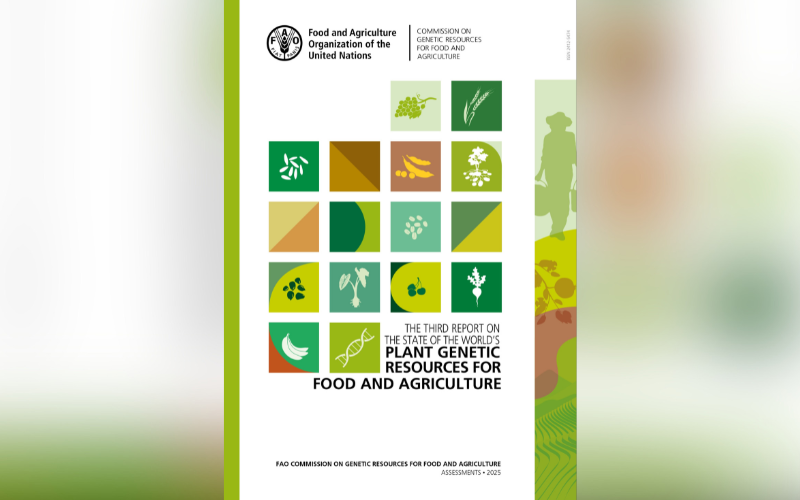
This is a historic milestone for our community. Recently, the Food and Agriculture Organization of the United Nations (FAO) published its third global report on the state of seeds and genetic resources. This document serves as the compass guiding international agricultural policies and, for the first time, Bioleft is mentioned as a cutting-edge experience within the Seed Systems and Governance thematic area.
What is this global report about?
The FAO's Third Report is a comprehensive assessment based on data from 128 countries and more than 1,600 experts. Its goal is to analyze how the world is conserving and utilizing crop diversity to address challenges such as the climate crisis and hunger.
The report warns of genetic erosion and the urgent need for more resilient seed systems. In this framework, both participatory breeding and the use of legal clauses (licenses) that ensure germplasm circulates freely for research and breeding—two of Bioleft's main lines of work—gain international relevance, demonstrating that viable and scalable alternatives to closed intellectual property systems do exist.
Recognition for the network
Being cited by the FAO is an endorsement of the work of every grower, breeder, and technician who believes that another way of farming is possible. As the report rightly points out, plant genetic resources are the essence of sustainable agrifood systems, and Bioleft is on the front line of defending that essence.