Comienza la campaña 2025–2026 en la parcela experimental de Bioleft en la UNSAM

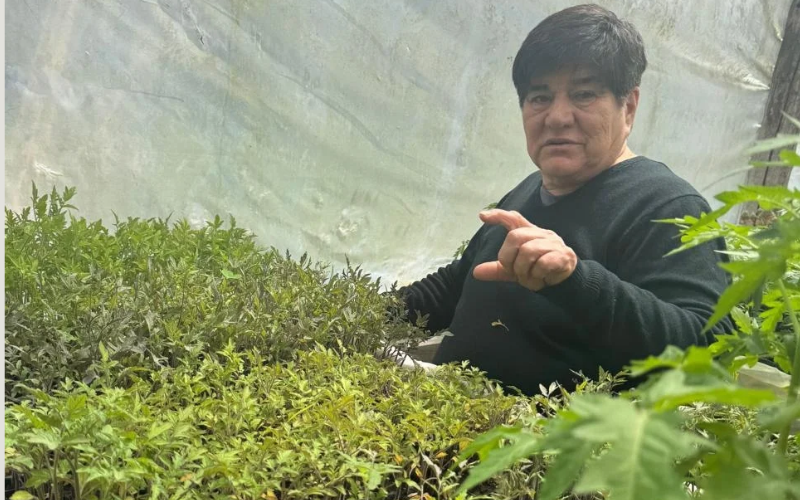
El 28 de octubre, Elba y David realizaron el trasplante de tomates en la parcela de Bioleft ubicada en la UNSAM, dando inicio a una nueva campaña de evaluación participativa. Este año, el ensayo incluye tres variedades: NoMeOlvides, Carcione (variedad platense) y #113 (variedad cherry). Los plantines fueron sembrados y cuidados por Elba en su vivero hasta alcanzar el momento óptimo para su trasplante.

Read more

Bioleft relaunches the Maize Growers Network with a conversation on Amancay maize

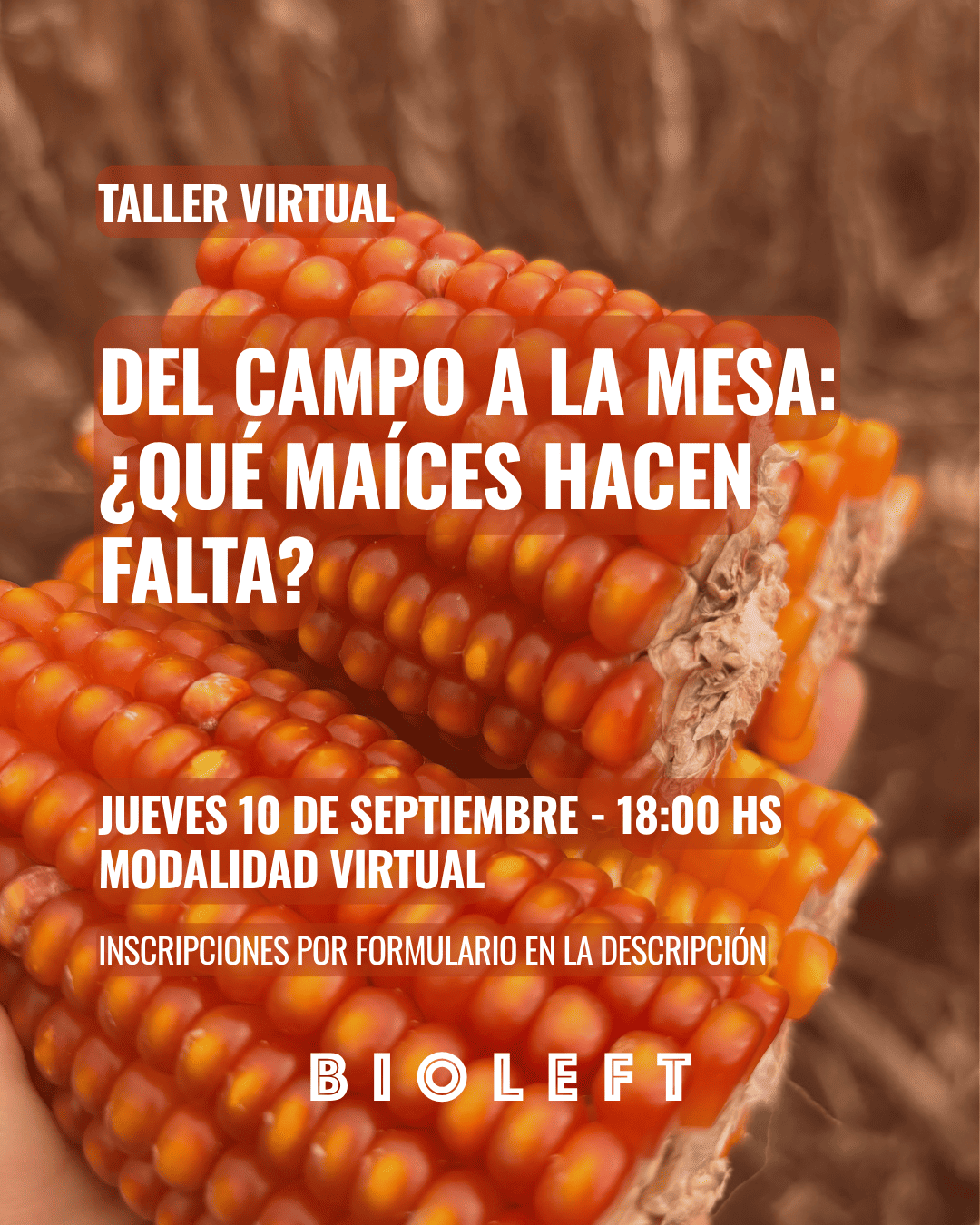
Last Monday, October 20, within the framework of World Food Day, we held the virtual conversation “Maize as a bridge: knowledge, territories, and diversity,” to share the trajectory of Amancay maize and relaunch the work of the Maize Growers Network (Red de Maiceros). More than 30 producers, technicians, researchers, students, and organizations linked to seed development and production participated, forming a diverse space for exchange and collective reflection.Participaron más de 30 productores, técnicos, investigadores, estudiantes y organizaciones vinculadas al desarrollo de semillas y la producción, conformando un espacio diverso de intercambio y reflexión colectiva.

Read more

Almendra Cremaschi gave a seminar for the Organic Seed Alliance

On September 11th, Almendra Cremaschi, director of Bioleft, gave a virtual seminar as part of the debate on seed intellectual property on the Organic Seed Alliance platform. The meeting was open to the community of organic, agroecological, and family farmers who produce in the United States, and other people from different parts of the world participated as well.

Read more

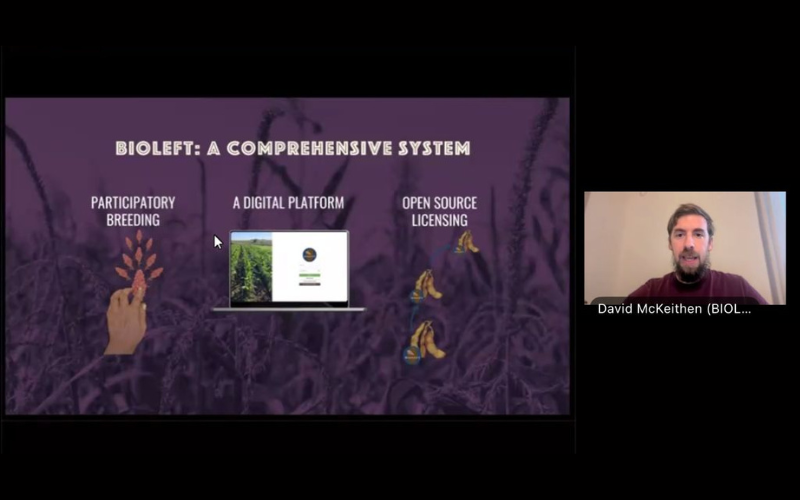
Opening Workshop for the 2025-2026 Local Tomato Campaign

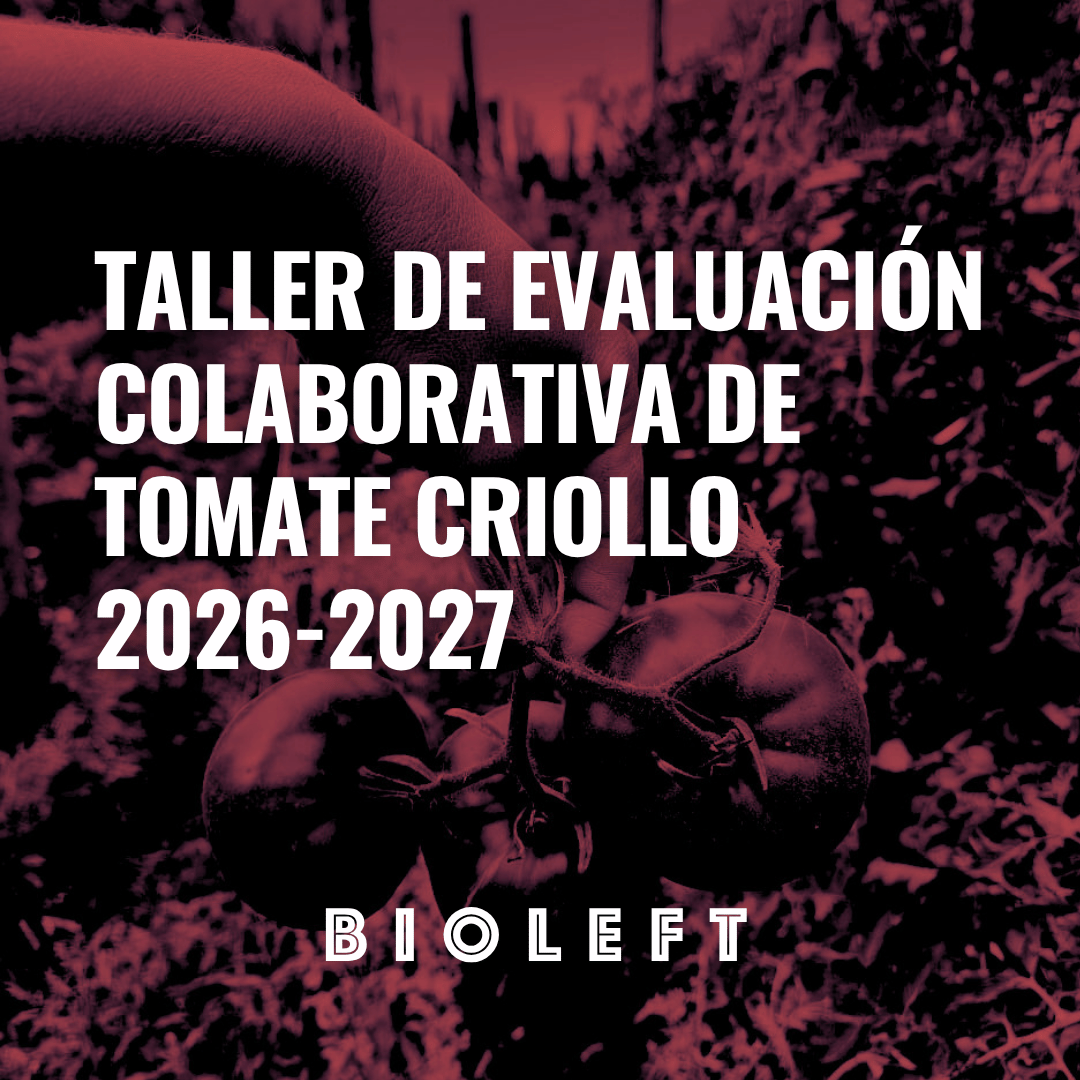
Bioleft launched the 2025/2026 tomato campaign with a virtual workshop that brought together evaluators from more than 25 locations across the country. The proposal, based on open science and citizen science, reinforces collaborative recording and the circulation of knowledge to make better decisions on seed selection and multiplication. 

Read more